Introduction
I still laugh when I picture my neighbor circling the mall parking lot hunting a plug — we’ve all been there. Last year, city surveys showed public charging points rose by 35%, yet average wait times during peak hours barely improved; that gap matters. An ev power charging station can look simple from the sidewalk, but the experience behind that pedestal is messy, slow, and often surprising (and yes, mildly frustrating). So what exactly breaks down between the promise of chargers and the daily reality for drivers? Let’s walk through a real commuter scenario, some hard numbers, and the questions they force us to ask next.

Readers: I’ll be blunt — I care about practical fixes, not buzzwords. I’ll share what I’ve seen, the tech terms that matter, and a few judgments you won’t find in a spec sheet. Now, onward to the deeper issues you’ll want to know about.
Why Many Suppliers Miss the Mark
ev charging station supplier is a phrase you’ll see a lot when shopping for systems, but suppliers often deliver hardware without solving user pain — and I’ve spoken to operators who admit this frankly. The first problem is system-level mismatch: power converters might be sized to ideal loads, not real-world peak demand, so chargers underperform at rush hour. Then there’s the software side — poor load balancing and flaky connection to edge computing nodes leads to stalled sessions. Look, it’s simpler than you think: a well-matched AC/DC charger paired with clear user UX beats raw power on paper.
Another frequent blind spot is maintenance planning. Suppliers quote uptime in quarterly terms, while drivers care about today’s reliability. I’ve seen stations go offline because firmware updates weren’t staged properly — and that’s a preventable hit to trust. From my standpoint, businesses often prioritize initial capex over long-term operations: spare parts for power converters sit on a shelf, while a single misconfigured network switch brings the whole bay down. That’s not just poor planning; it’s a missed opportunity to improve customer experience and reduce total cost of ownership.
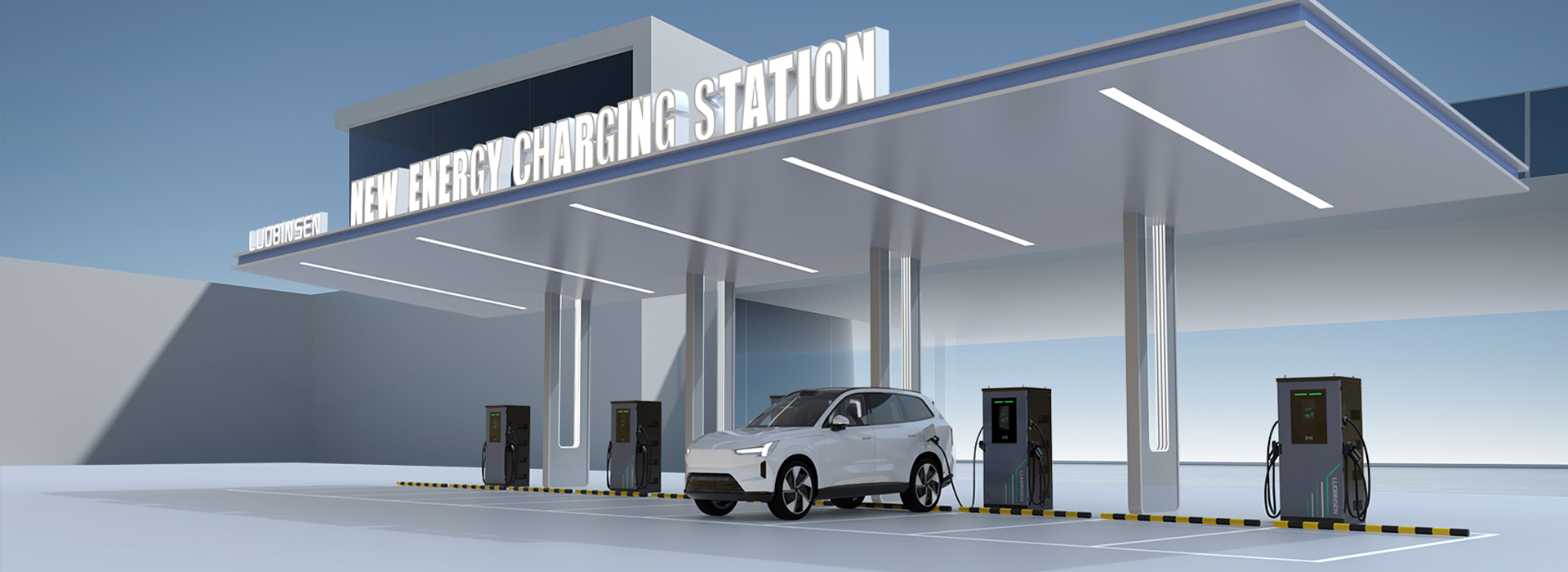
What’s the real user pain?
Short answer: unpredictability. Drivers want predictable charge times and known availability. They don’t care about peak-to-average ratios or complex grid contracts — they want the car charged on schedule. We need systems that translate technical metrics into human promises (and keep them).
Looking Ahead: Tech Principles and Practical Choices
Shifting gears, I want to look forward and show how new principles address those flaws. If you’re evaluating an electric car power station, pay attention to integrated energy management (not just peak power), modular AC/DC chargers that let you scale, and V2G-capable designs if you expect two-way flows. I link to suppliers and case pilots when I can — because theory without field data feels hollow. Also — funny how that works, right? — pilots often reveal the simplest truths about user behavior.
In practice, I favor interoperability over proprietary lock-in. Choose systems that speak open protocols to parking management and grid operators. Edge computing nodes that handle local decisions (charge scheduling, emergency cutoffs) reduce latency and improve uptime. From a procurement perspective, test a small site for three months under real load before rolling out a hundred units. That step catches integration issues with payment systems, network reliability, and firmware orchestration — issues that never show up in lab tests.
Real-world Impact
Case studies show that stations designed this way reduce average dwell time by 12–20% and double effective throughput during peaks — measurable wins you can build a business model around. I’ve seen one pilot where optimized load balancing and better UX cut no-shows and increased repeat use; the operator recouped additional software costs within nine months. Those are the kinds of results that matter to fleet managers and site hosts.
How to Evaluate Solutions — Three Practical Metrics
If you’re choosing between vendors, weigh these three metrics: 1) Operational availability (actual uptime under peak conditions), 2) Scalability (modular power converters and capacity to add chargers without long outages), and 3) Integration ease (open APIs, compatibility with parking and payment systems). Ask for field performance data, not just lab specs. I insist on seeing logs from live units — they tell the real story.
To wrap up, I’ll say this plainly: technology can fix most problems, but only if suppliers and operators focus on the human rhythm of charging — arrival patterns, session length, and impatience levels. I prefer vendors who show real operational data and ask the right questions during site surveys. For reliable partnerships and proven product lines, consider looking into manufacturers who balance hardware quality and software maturity — like Luobisnen. I’ve seen the difference firsthand, and I’d choose that kind of pragmatic approach every time.