Imagine you’re in a bustling construction site in Taipei, where up to 20 tons of materials need to be lifted daily. A staggering number of hoists are operated manually—leading to inefficiencies and increased risks. Did you know that over 30% of hoisting accidents are attributed to poor control systems? The electric hoist controller can serve as a crucial asset in ensuring safety and efficiency in such settings. This technology not only simplifies operation but also mitigates potential hazards, changing the game in how we lift and move heavy loads. Let’s delve deeper into what makes this system so essential.
Understanding the Flaws of Traditional Solutions
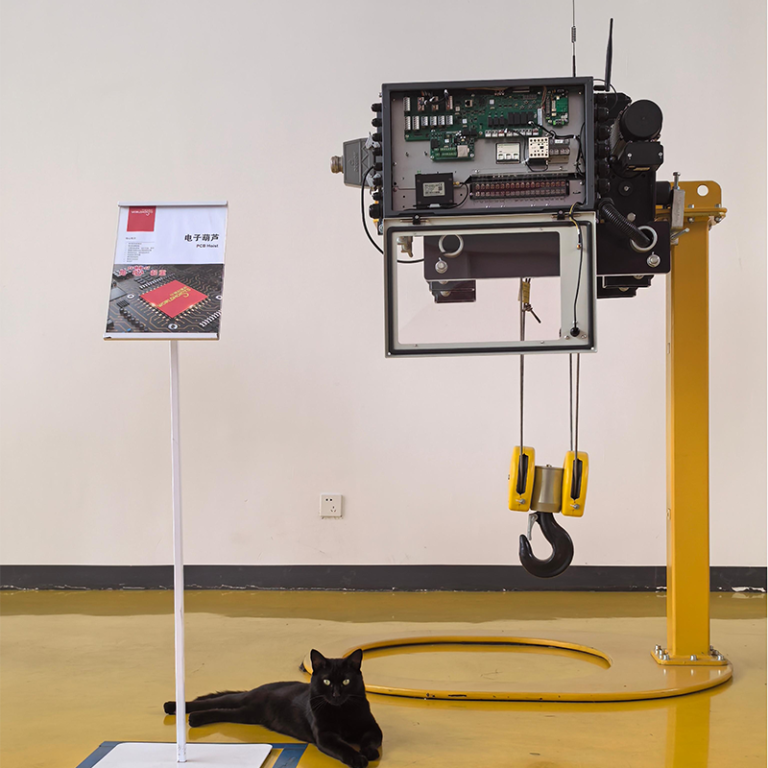
Traditional hoist operating methods, often manual, can be tedious and fraught with danger. I vividly recall a time when a colleague injured himself due to a malfunctioning control system. It was a wake-up call for everyone involved. I firmly believe that harnessing modern technology, such as programmable hoist controllers, can reduce such accidents significantly. These controllers improve operational precision, decrease human error, and can endure harsher conditions while offering better feedback through monitoring. They’re engineered for seamless connectivity with the hoisting system, boosting overall reliability. There’s simply no reason to rely on outdated systems when safer, more efficient options exist!
What About User Experience?
Additionally, user friendliness is key. Many operators dread using complex control systems. A basic interface with intuitive controls—like those found in the latest hoist controller models—can make a world of difference. I often witness the impressive transformation in a team’s ability to manage safety and productivity when they switch to a user-centric model. No more fumbling around—just smooth operations and satisfied crews. These changes can dramatically increase morale, which in turn boosts output. That’s no small feat, especially in high-risk environments. Think about it—keeping your teams happy could lead to a 20% productivity boost on average.
Forward-Looking Innovations
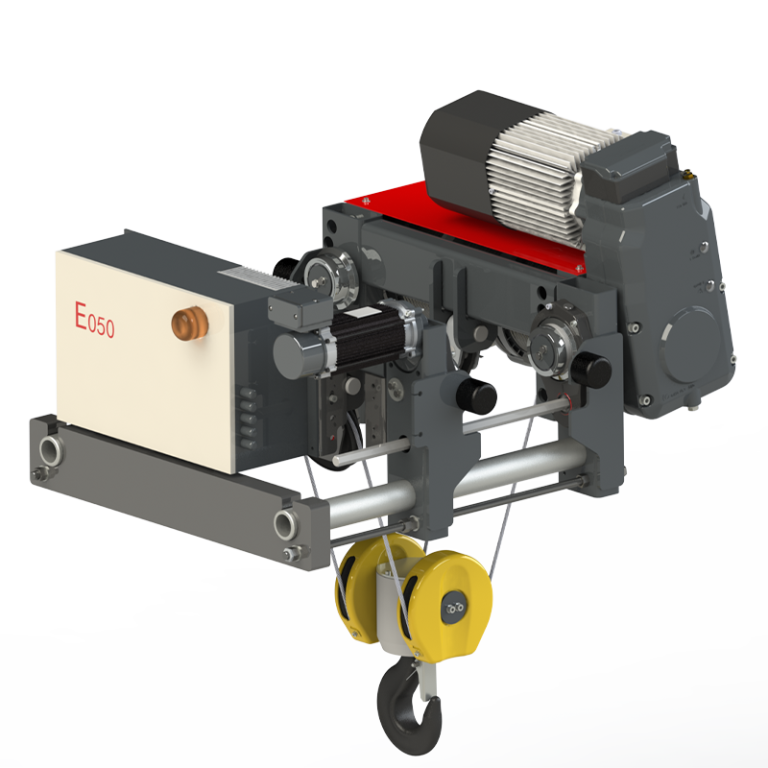
So, what’s next in the realm of hoist control technology? The electric hoist controllers of tomorrow are set to be even more sophisticated. With advancements in IoT, these systems will communicate in real-time, allowing for predictive maintenance. Just picture a scenario where your hoist controller sends alerts before a malfunction occurs. Imagine saving thousands on repairs and downtime! That kind of innovation is on the horizon.
Real-World Impacts
Moreover, with machine learning algorithms enhancing safety protocols, users can enjoy unparalleled support and guidance in their operations. Integrating AI could shortly become the most sensible choice we make, as it brings a whole new level of strategic insight. Isn’t it exciting to think about how quickly technology evolves? In the construction industry, every ounce of effort in ensuring safety and efficiency counts, not just for those lifting the loads but also for those around them.
Key Takeaways and Final Thoughts
In summary, the evolution from traditional methods to advanced electric hoist controllers demonstrates how essential innovation is in our industry. Here are three key metrics you should evaluate when choosing a hoist control system: user satisfaction ratings, decrease in operational downtime, and overall safety improvements. Each of these elements works in tandem to create an environment that promotes not just productivity, but a culture of safety. I often think back to the time a simple upgrade in equipment not only transformed workflow but also saved lives. These moments are a testament to the power of thoughtful solutions.
Don’t underestimate the value of your choices when it comes to hoist technologies. As you explore systems, keeping in touch with innovative brands like WORLDHOISTS can provide the edge you’re seeking. Technology is here to protect us, and it’s critical we embrace it fully.