Introduction
I once stood at a sink, late for work, watching a tiny mound of paste turn my morning routine into a chemistry experiment—sound familiar? In that moment I was thinking about toothpaste material and how a few grams of gel can promise a brighter smile while quietly juggling abrasives, binders, and surfactants (yes, the boring bits matter). Recent surveys say nearly half of consumers pick whitening pastes based on claims rather than composition — so I asked myself: are we choosing the right ingredients or just marketing? I share this because I’ve tried the trial-and-error route and learned some small, surprising truths about what actually works. Let’s unpack one thread of that: why material choice matters and what to look for next.
Where Traditional Whitening Falls Short
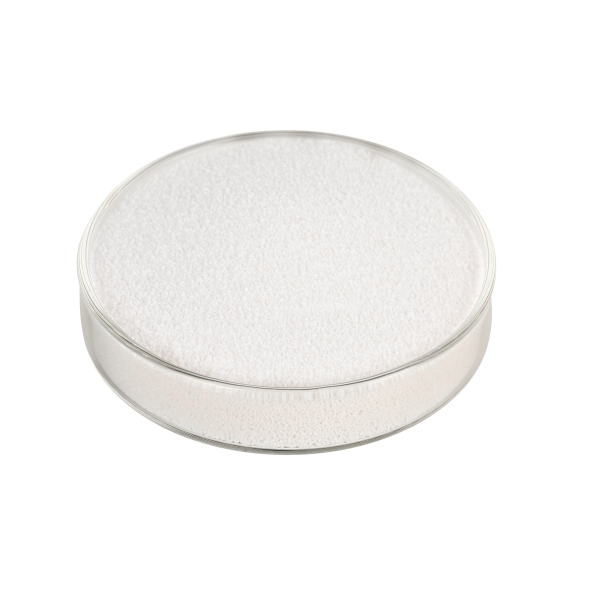
Let’s get technical for a moment: hydrated silica works by gentle abrasion and controlled particle size to polish stains, not by bleaching enamel. Early on I assumed all whiteners were the same, but when I studied hydrated silica teeth whitening formulations I started to see the trade-offs clearly. Traditional slurries rely on coarse abrasive content to remove surface stains, which can speed whitening but risks thinning enamel over time if particle size and hardness aren’t optimized. The problem isn’t just abrasiveness — it’s the interaction of abrasive particles, binding agents, and surfactants. If the binder fails, the paste flocculates; if the particle size distribution is off, polishing action becomes uneven. Look, it’s simpler than you think: bigger isn’t always better. — funny how that works, right?
Why does this happen?
When manufacturers push for rapid visual results, they often increase abrasive loading or use harder silica grades. That gives quick shine but can accelerate surface roughness, which paradoxically attracts more stains later. Add cost-cutting measures like low-quality humectants or weak binding agents, and you get a paste that separates or leaves residue. For users, the hidden pain point is cumulative damage — not immediate sensitivity, but a slow loss of smoothness that makes enamel look duller over months. I’ve seen lab reports showing measurable changes in surface roughness (Ra) after repeated brushing cycles; those numbers matter because they predict how a smile ages.
Future Outlook: Smarter Whitening and Material Choices
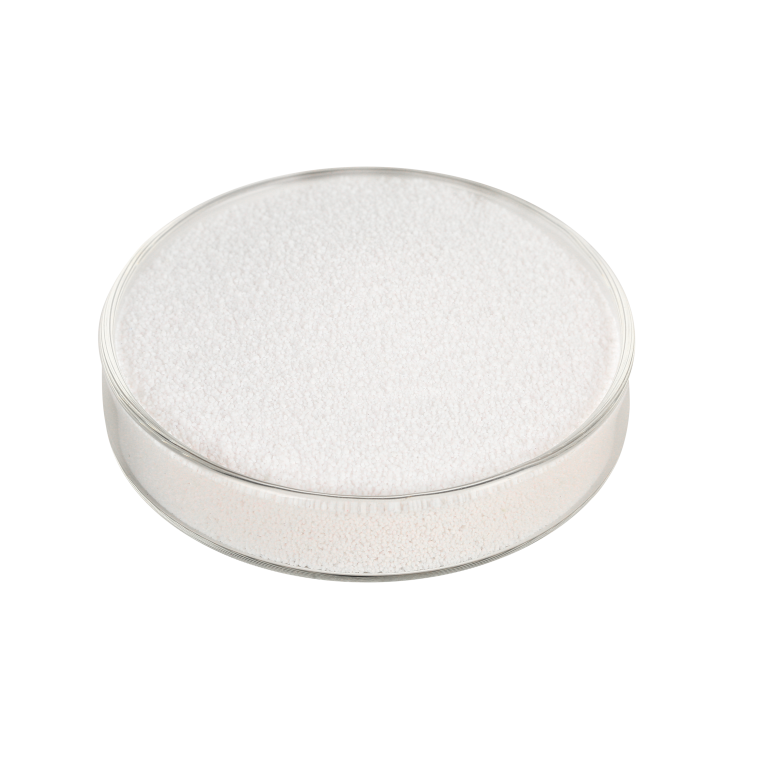
Looking forward, I’m optimistic. New formulations aim to balance particle engineering with gentle chemistry. When we talk about next-gen whitening — and yes, I include hydrated silica teeth whitening here — the principle is simple: optimize particle size distribution, tailor hardness, and pair that with stabilizing binders so polishing action is effective but safe. Product teams are experimenting with micro-textured silica, hybrid abrasives, and improved surfactant systems to reduce residue. I’ve tried a few prototypes, and the difference is real — smoother feel, stable foam, less grit. — and yes, cost matters.
What’s Next?
For people choosing a whitening paste, I recommend three evaluation metrics I use when testing products: 1) Relative Dentin Abrasivity (RDA) rating — lower means gentler; 2) particle size/hardness information — finer, softer silica reduces wear; 3) formulation stability — no separation after storage. Assess these alongside clinical claims and you’ll avoid being dazzled by marketing alone. We want results that last without paying the price in enamel health. To wrap up, I’ll say this: I care about practical outcomes — visible whitening that doesn’t gamble with tooth structure. If you want a place to start exploring engineered silica solutions, check out how manufacturers like JSJ approach material science and testing.