The Shelf Test: Square vs Round
You’re in a Ponsonby boutique, late arvo, hunting a gift that won’t miss. On the shelf, square perfume bottles sit in neat rows, looking sharp and tidy next to the curvy crowd. A recent retail audit showed up to 42% of shoppers decide by silhouette within 8 seconds—no pressure, aye? But here’s the twist: the bottle that wins the glance doesn’t always win long-term in handling, printing, or refill performance. That’s where things get a bit techy but still practical.
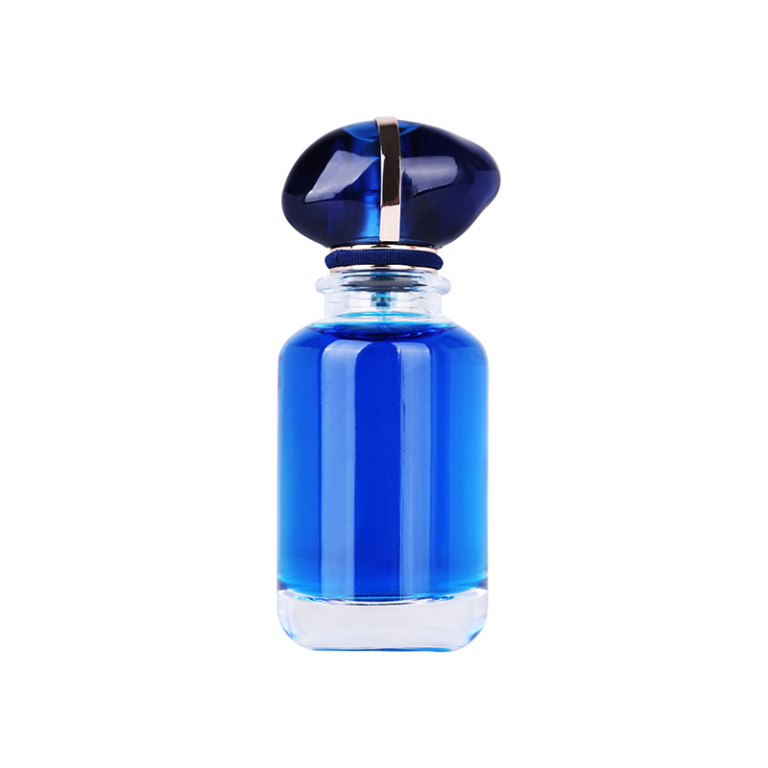
Square geometry makes stacking sweet as and gives labels a clean panel for UV screen printing. Yet the corners can hide issues you don’t see on day one, like stress concentration or fussy dimensional tolerance at the neck. Round bottles rarely argue with the pump actuator; squares sometimes do. If you’ve ever watched a sprayer crimping line pause because a corner kissed the guide rail, you know the vibe. So, what matters more for you—instant shelf appeal or fewer headaches in the supply chain? We’ll line up both sides, Kiwi-style (straight talk, no drama), then sort what actually counts on the floor and in the hand. Next up, let’s dig into where the pain points start—and how to spot them before they cost you.
Under the Hood: Hidden Pain Points You Don’t See at First
Where do the problems really start?
The term china square perfume glass bottle covers a wide field, and not all bottles behave the same under pressure. With square walls, glass flow in the mould can cool unevenly. That raises stress near the corners and bumps rejection rates after the annealing lehr. Small shifts in wall thickness—say ±0.4 mm—change heft and can skew the center of mass. Result? The bottle tips easier and doesn’t sit as planted on a busy tester bar. Neck accuracy matters too. If the FEA 15 crimp neck is even 0.2 mm out of round, sprayer crimping torque climbs, pumps leak, and your QC sampling plan starts lighting up, fast.
Coatings play a bigger role than most buyers reckon. Hot-end coating protects surface energy; cold-end coating sets slip (COF) so bottles don’t scratch in transit. Miss either step, and corner scuffing shows under light like a bad tan line—funny how that works, right? Look, it’s simpler than you think: align your finish spec to the actuator, keep neck tolerances tight, and ask for verified cullet ratio plus lehr profiles. Those three things reduce chatter on the line and make screen printing registration behave. If you love squares for the brand vibe (fair), build your spec around the geometry rather than hoping the geometry fits your old round-bottle process.
Next-Gen Moves: Turning Square Geometry Into a Strength
What’s Next
Here’s the forward-looking bit: the tech stack is catching up to the shape. Some square glass perfume bottles factories now run AI vision at the hot end with edge computing nodes, measuring corner radii and neck roundness in real time. Pair that with closed-loop gob weight control and you get tighter dimensional tolerance without slowing the line. Digital mould twins simulate how flint glass cools at the shoulders, then tweak venting to smooth stress. In practice, that means fewer micro-cracks hiding under coatings, and better adhesion for metallisation or UV inks. It’s a bit geeky, sure, but it pays off when your actuator snaps on clean and every panel prints square with no ghosting.
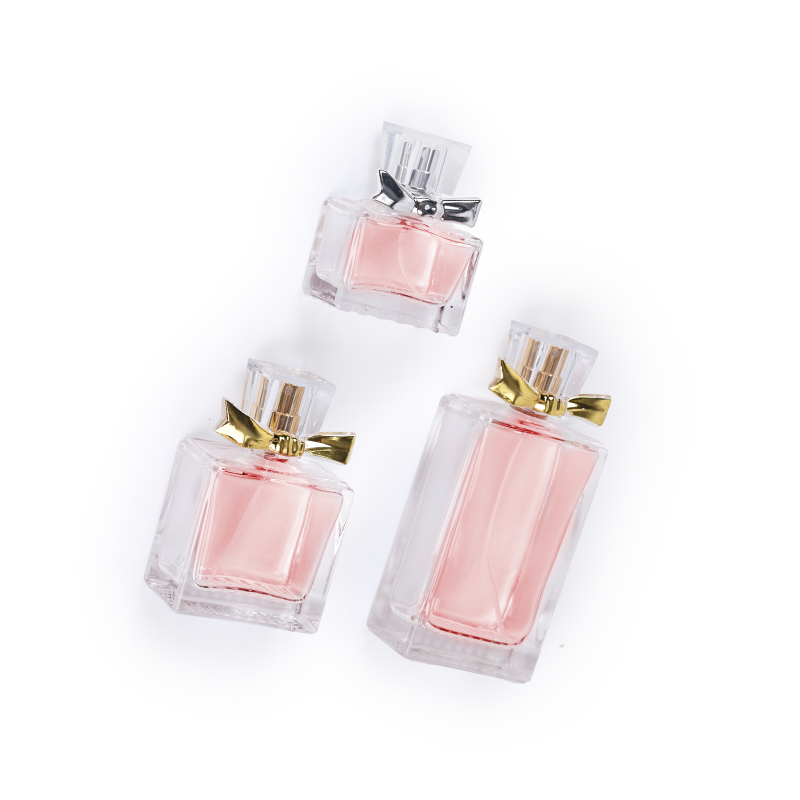
Comparatively, round bottles still enjoy easier handling and lower variance at scale. But modern squares are closing the gap by design—thicker corner radii, smarter neck tooling, better surface prep. The lesson from earlier stands: shelf presence is great; process stability is greater. To choose with intent, use three quick metrics you can verify: 1) wall-thickness variance under 0.3 mm across panels; 2) neck roundness within 0.15 mm at the FEA 15 finish; 3) COF after cold-end coating in the 0.35–0.45 band for scratch control and pack flow. Do those, and your square stays classy and easy to run. And if the line still hiccups, check sprayer crimping torque first—small tweak, big win. For spec sheets and deeper context, keep a steady eye on partners who publish process data and accept in-line audits, like NAVI Packaging.