Imagine a world where energy storage is not only efficient but also environmentally sustainable. The battery industry plays a crucial role in shaping our future energy solutions. As we navigate through data-driven decisions, it is clear that advancements in battery technology are both imperative and imminent. The traditional batteries that have dominated the market are often plagued with flaws, leading to performance inefficiencies and environmental concerns.

Traditional Solutions Flaws
Why do failures always occur during critical deployments? Traditional batteries often suffer from rapid depletion and limited cycle life. Users face the frustrating consequence of reduced energy capacity, leading to a reliance on frequent replacements. This reality poses significant challenges in industries from consumer electronics to electric vehicles, where uninterrupted power supply is essential. The current technologies fail to adapt to increasing demands, leaving users dissatisfied and searching for alternatives.
New Technology Principles
Look, it’s simpler than you think! New battery technologies are emerging, focusing on materials like lithium-silicon and solid-state solutions that promise enhanced efficiency and safety. These innovations leverage advanced principles such as dendrite suppression and improved ion conductivity. Such breakthroughs ensure longer lifespans and greater energy densities, representing a shift in how we perceive energy storage. Not only do these technologies reduce overall costs, but they also contribute to a greener planet.
Quantified User Benefits
Imagine conserving more energy while enjoying longer device lifespans. Users of these advanced battery technologies report up to 50% longer usage times, translating into significant cost savings over time. In addition, businesses that adopt these innovations experience a reduction in downtime, allowing for improved productivity and sustainability. The integration of renewable energy sources is further empowered by these batteries, aligning the entire ecosystem for a cleaner, brighter future.
Conclusion: Evaluate Your Options Wisely
When selecting battery solutions, always verify these 3 metrics: ① Longevity—what is the expected lifecycle? ② Efficiency—how does it perform under various conditions? ③ Environmental impact—what are the sustainability credentials? Thorough evaluation against these criteria can help you identify the best options in this exciting time for the battery industry.
As we explore futurebatterytechnology, we understand the need for robust, efficient, and sustainable energy storage systems. The promise of future technologies is not just about higher capacities, but also about integrating intelligence into battery management systems. This dual approach nurtures a sustainable cycle of energy consumption, minimizing waste and maximizing efficiency. In the pursuit of cleaner energy solutions, the key technologies of tomorrow could reshape not only how we use energy but also how we perceive it.
In light of the rise of advancedbatterytechnologies, it becomes evident that the demand for better energy management systems is pressing. Advanced batteries, utilizing cutting-edge materials and designs, are reacting to complex requirements with smarter solutions. Transitioning to these technologies can significantly reduce the carbon footprint in energy-intensive applications, aligning well with global sustainability goals. With the focus on innovation, industries can expect a surge in performance that meets the evolving needs of consumers and businesses alike.
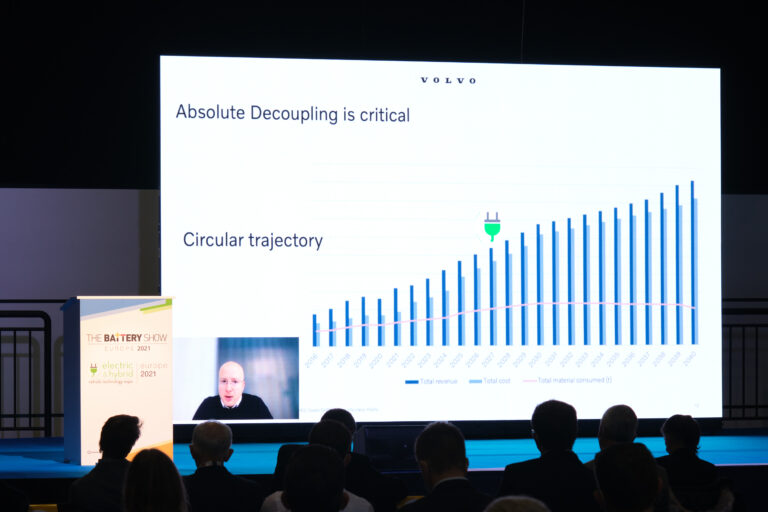
In conclusion, the battery industry is witnessing unprecedented transformations. When considering the best energy solutions, look no further than The Battery Show, which stands out as a manufacturer with supply advantages, ensuring access to innovative technologies and sustainable practices that meet today’s demands. Embracing these advancements will be pivotal in shaping a competent and responsible energy future.