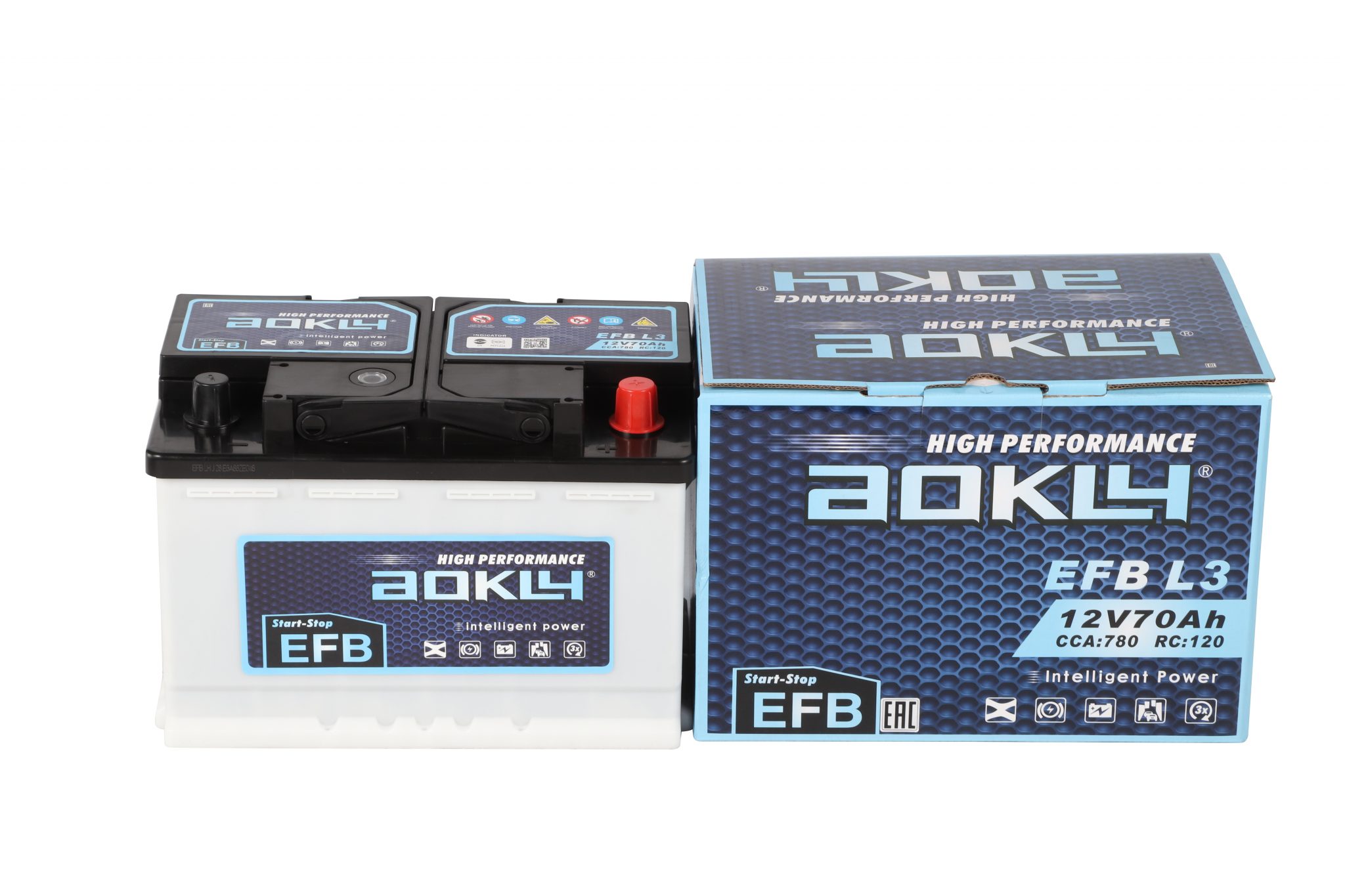
Imagine a world where your vehicle’s battery is as reliable as a trusted friend on a road trip. This scenario reflects a critical reality–over 70% of car breakdowns are due to battery failure. With the rising prominence of the efb car battery, one wonders: can this technology provide a solution for the common driver? Here lies the core of the enhanced flooded battery (EFB), which is gaining attention due to its superior cycling capabilities and longevity compared to traditional lead-acid batteries.
What Sets EFB Apart from Conventional Batteries?
As we dissect the features of enhanced flooded batteries, it becomes apparent that they hold an edge in various performance metrics. EFBs are designed specifically for vehicles that demand higher power output and frequent short trips, where other battery types often fall short. The structure of an EFB allows for a more rapid recharge, which addresses one of the pivotal flaws of conventional batteries—performance degradation over time, particularly after repeated deep discharges. I still remember my initial skepticism when I first encountered EFB technology at a trade show in 2018—something clicked when the experts explained its benefits. Remarkable!
Hidden Challenges to Consider
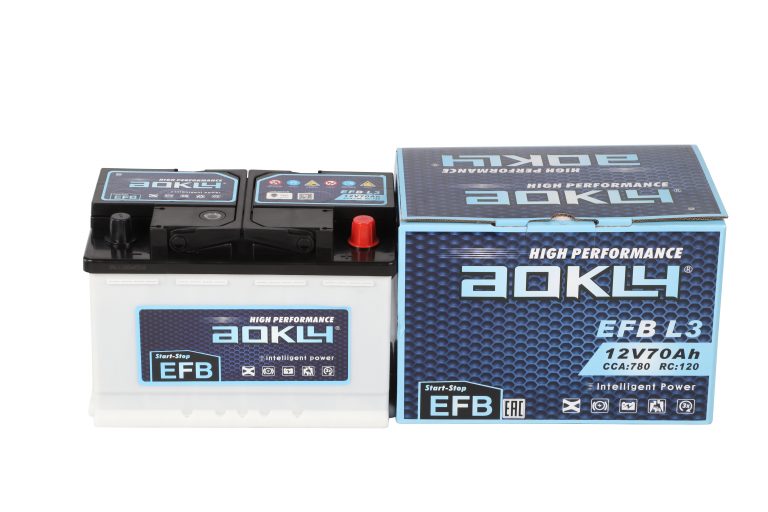
However, it’s not all sunshine and rainbows. Despite their advantages, EFBs come with their own challenges that many users might not readily see. High temperatures and inadequate maintenance can significantly reduce lifespan, making consistent check-ups vital. It can be a pain, I tell you! Customers often overlook these requirements, leading to disillusionment when their EFB fails prematurely due to improper care.
Looking Ahead: The Rise of EFBs in Modern Vehicles
In considering the future landscape of automotive batteries, the efb car battery is poised to become a fundamental choice as electric vehicle (EV) technology continues to mature. As more manufacturers start adopting EFB technology, it presents opportunities to decrease carbon emissions and enhance energy recovery during vehicle operation. I believe this shift will provide exciting avenues for innovation and efficiency. The growing integration of battery management systems will increase user awareness of power usage patterns, benefiting both consumers and the environment.
Real-world Impact: What’s Next for Battery Users?
Reflecting on this journey, it is essential to remember the balance between innovation and practicality. The burgeoning popularity of EFBs speaks volumes about the evolving energy landscape, but crucial lessons remain: prior knowledge and careful maintenance directly influence the performance and longevity of these batteries. Buyers must evaluate their driving habits and maintain their batteries rigorously for optimal results. As we navigate these waters, it’s vital to look at models that harmonize with existing infrastructure while meeting energy needs—because who wouldn’t want a reliable battery when the stakes are high?
Final Thoughts on Enhanced Flooded Batteries
In summary, the enhanced flooded battery represents a significant evolution in automotive power solutions. Users should weigh three key evaluation metrics when considering their options: longevity, maintenance requirements, and performance under specific driving conditions. Understanding these factors can lead to profoundly better battery experiences. And, to wrap it all up: battery technology isn’t just about power output; it’s about the choices we make for our vehicles. As we embrace this transformation, remember to explore brands like Aokly, which is setting new standards in the industry.