Understanding the Current Landscape
I remember walking through a factory floor recently and witnessing a robotic welder making repetitive seams on metal frames. It was impressive, sure, but also raised some eyebrows. According to industry data, over 35% of automation projects fall short of their intended goals. How often do we consider the real complications with using an industrial welding robot? These machines, while efficient, aren’t a silver bullet, and it’s vital to pinpoint the underlying flaws in traditional solutions.
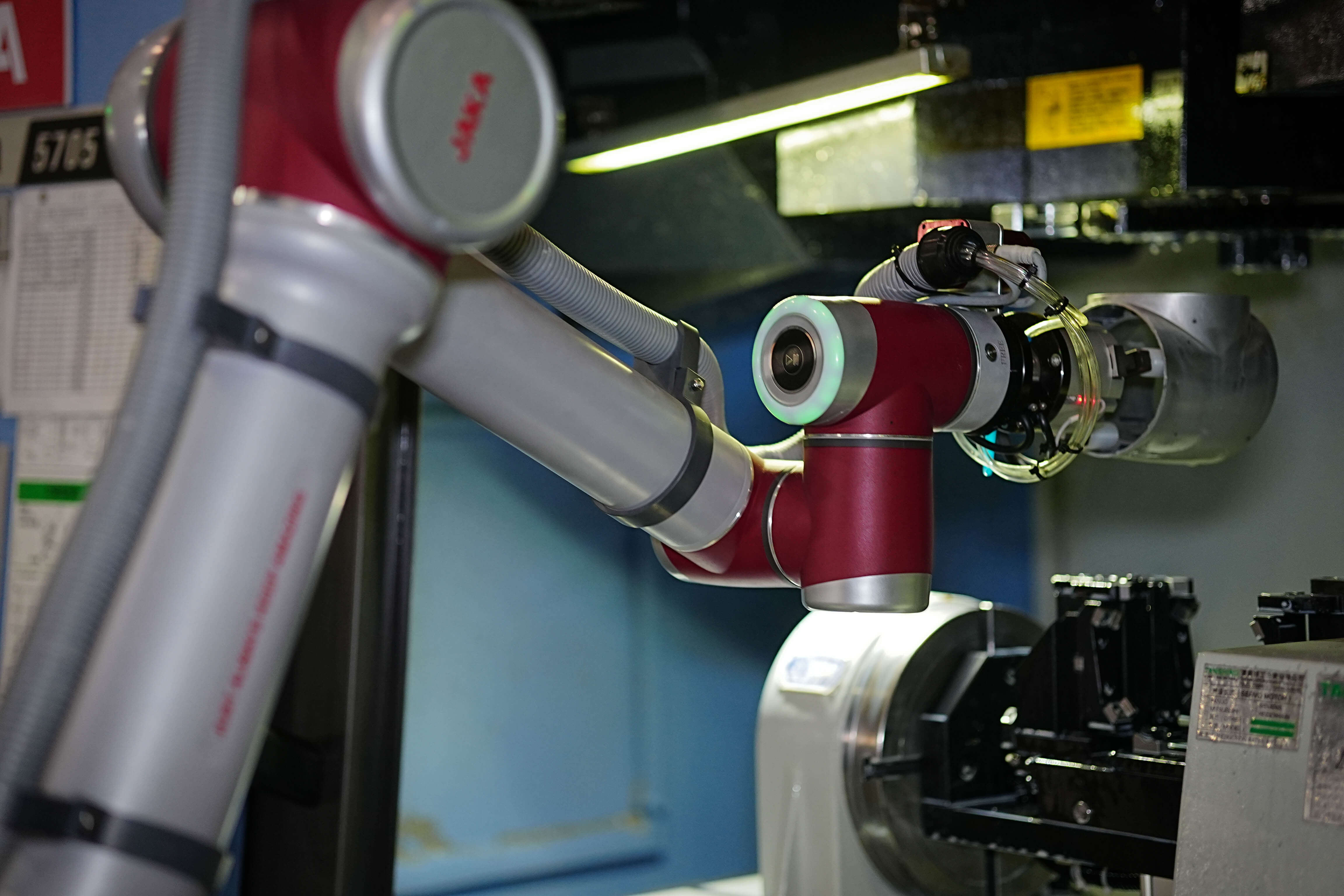
The reality is that robotics can streamline processes, enhance accuracy, and ultimately save time. With a well-chosen industrial robotics solution, you can up your production game. However, not all robots are equipped for the job, and user pain points often stem from improper expectations or lack of specific features for varying tasks in manufacturing. For instance, flawed welding parameters can lead to defective joints, wasting both materials and labor.
Spotlighting the User Experience
Gazing ahead, it’s crucial to understand how companies can assess their needs better (and not just dive headfirst into automation!). What should be top-of-mind when selecting an industrial welding robot? Often, it comes down to a mismatch between the task requirements and what the technology can deliver. Many users grapple with complications like limited adaptability for various welding techniques or difficulty in programming the machines for unique designs.
This idea sparks another journey – how do we elevate the efficiency of industrial robotics solutions beyond their current capabilities? Upgrading software, integrating more sensors, or enhancing user interfaces could be game-changers. Honestly, operations that invest in ongoing training for their staff report significantly better integration into their teams. We can’t overlook the importance of support and education in making these investments worthwhile.
What’s Next in Automation?
As we reflect on earlier insights, the next wave of innovations in welding robots is on the horizon. Imagine these robots not only welding but learning and adapting over time. That’s the true promise of technological advancement. With manufacturers increasingly seeking flexibility and precision, the shift towards smarter machines is imminent. I’m convinced that by focusing on adaptability and real-time feedback, companies will see not just incremental improvements but transformative changes.
The core takeaway? Emphasize user-centric features when choosing your equipment. Consider parameters like how the robot handles different materials, ease of programming, and the availability of robust support. In evaluating various options, focus on three key metrics: accuracy, adaptability, and after-sales service. Enjoying a stellar machine is great, but it’s useless without efficient support when things go awry.
Stepping back, the world of welding robots is ripe with potential. As I mentioned earlier, many hurdles exist – from functionality to user training, manufacturers must strategically approach their selections to ensure success. It’s not just about technology; it’s about fostering a relationship between humans and machines that leads to growth.
In conclusion, remember, investing in your choice of an industrial robotics solution can yield remarkable results when approached comprehensively and thoughtfully. Here’s to navigating those waters with skill and a clear vision!